In the summer of 1994, I was about to jump into my first overseas teaching job in Karachi, Pakistan, where my husband and I would teach for the next five years after having been in California our whole lives. We were uprooting from our home and taking two small children with us. Our kids were entering Kindergarten and Grade 1. It was an emotionally charged time of excitement and anticipation, with some apprehension sprinkled in. Would our kids like their new school? Would we cope well with living so far away from family and friends? Email and text messaging were not available at the time, and the distance from home was more than a little intimidating.
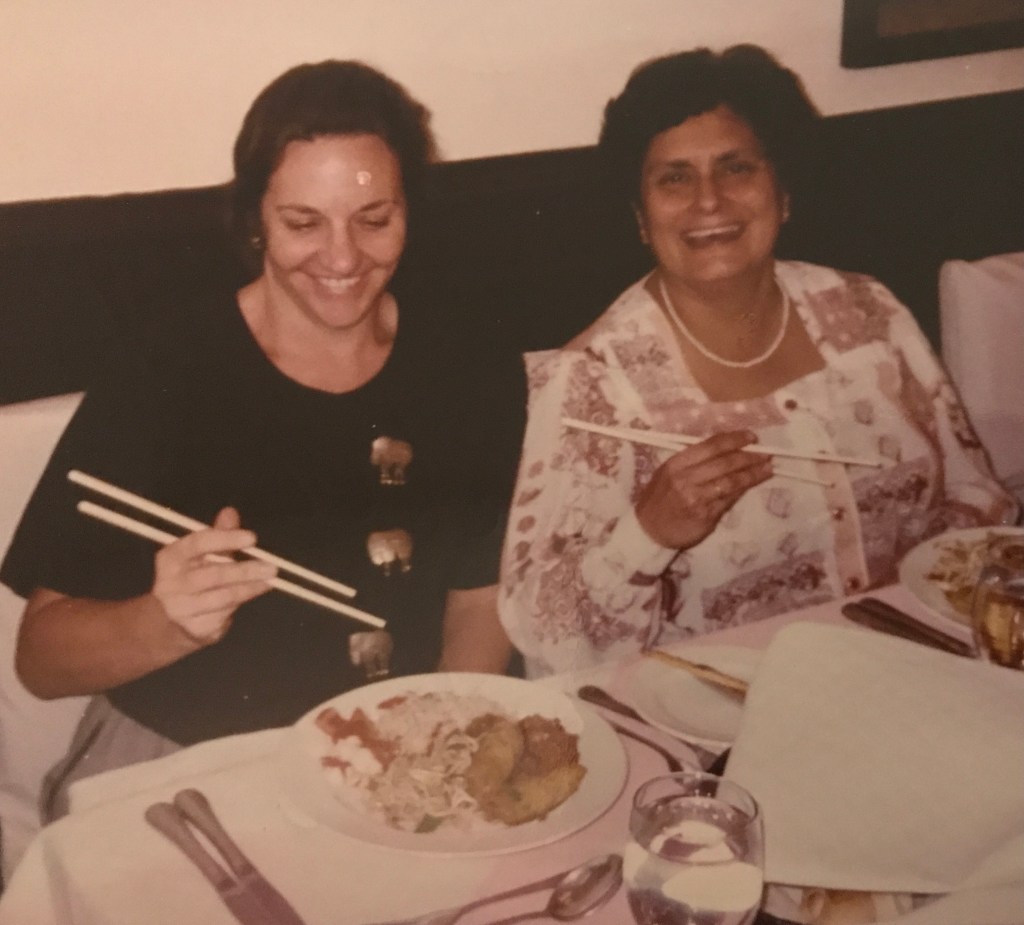
Ralph Jahr, former Superintendent of Karachi American School (KAS) was great at answering all of our questions and preparing us for this big step. Shortly before our departure, he sent a fax introducing me to Ms. Phiruze Ogra, noting that she is known by all as simply ‘PJ.’ I learned that she was an amazing cook, a skilled baker, a formidable tennis opponent, an exceptional teacher, and a staunch advocate for students. How thrilled I was to learn a little about the lady who would be my Instructional Assistant! I should note that Instructional Assistants at KAS routinely work with small groups of students, co-plan with the teacher, and lead the way in creating and delivering lessons for Pakistani Studies.
Within 24 hours of landing at Jinnah International Airport, I was greeted on campus by PJ, and she immediately took me for a tour and introduced me to colleagues. We chatted, strolled, and spent the next several days preparing our classroom and learning about each other. I knew in those first few days that I had been matched with an exceptional human being, and that I had not only gained a teaching partner but a friend. We meshed as a team from Day 1, and our families made countless memories together through the years, sharing all of life’s joys and challenges and traveling to see each other when our schedules allowed.
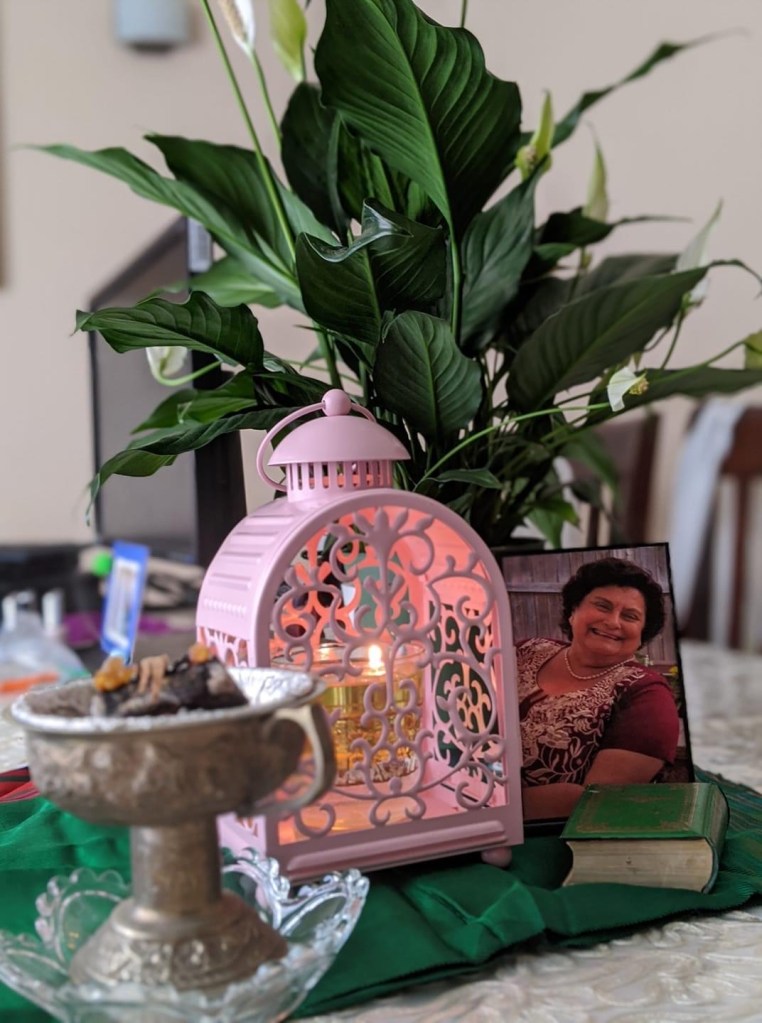
Fast forward to the spring of 2020. I was teaching remotely from the US since my school overseas had closed in response to the pandemic. Mornings began with my usual routine of checking messages, responding to emails, and getting ready for another day of online teaching. May 22nd was different. My heart dropped as soon as I picked up my cell phone and saw the devastating headline that flight PK 8303 from Lahore to Karachi had crashed during its landing. PJ had been visiting friends in Lahore, and I knew she was excited to be flying back to Karachi, the city she called home. We would soon confirm the news we all dreaded, and learned that she, along with 94 others, had perished in the crash.
Readers might wonder why I would choose to tell this tragic story. I tell it because it is not the whole story of PJ. This post is, in fact, a celebration of her teaching life, and of her as a role model to teachers and students alike. She personified what it meant to be a co-teacher before co-teaching was “a thing” in education. While team teaching had its heyday in the 1970s, co-teaching, which emphasizes co-planning and co-reflecting, did not start to gain momentum until the mid 1990s. She was definitely ahead of her time! In honor of PJ, and in celebration of the lives she touched, I offer the Top 10 co-teaching lessons she embodied all those years ago, and that are just as relevant today. They have stood the test of time and they are instructive for anyone entering into a co-teaching or collaborative partnership with a peer.
1. Get Comfortable With Being Uncomfortable
Teaching in front of a peer can be intimidating, especially when that peer brings skills and experience that we don’t possess. How could I possibly be comfortable teaching with another teacher in the room to watch my every move? I was more nervous that first day than I had ever been during my student teaching, but I pulled myself together and did my best to appear confident and to make a good start with my students.
At break time, PJ brought out the snacks, as she often did, and we started to chat. The first thing she said was, “That game you did with them was great! Can you give me a copy for my files? I want to use that some time. I wonder if we could use it as part of their journal writing this week.” Of course, this started a whole conversation on how we could extend one successful activity and turn it into another learning opportunity.
While it might take us out of our comfort zones to teach in front of a peer, we can get comfortable knowing that genuine, respectful peer support validates what we’re doing well, and can spur us on to make improvements to our lessons.
2. Trust Your Partner
It can be tough to trust someone you don’t know very well. Though some co-teachers volunteer to work together, it is also true that co-teaching partnerships are sometimes formed by administrators, and the teachers may or may not have worked together before. In the case of me working with PJ, we had never been in each other’s presence prior to our co-teaching partnership, and had not even spoken on the phone.
We both had to trust that the other had good intentions and the expertise to do the job. Mistrusting one another up front would do nothing to foster a relationship, and it would undermine any attempt to build a relationship in the future.
PJ, despite the fact that she had years of experience at KAS and had worked with many skilled teachers before me, trusted my experience and welcomed my ideas. I trusted her as someone who had clearly served the KAS community well, and I let her know how much I appreciated learning from her.
When placed in a co-teaching partnership, we might not have the luxury of time to build trust, so we have to start with it. As Ernest Hemingway reminds us, “The best way to find out if you can trust somebody is to trust them.”
3. Co-Teaching is Daily Professional Development
There’s no better professional development, in my opinion, than regularly watching a master teacher in action. It’s even better when you can dissect lessons together and talk about what’s working and what’s not. Such was the opportunity I had working with PJ. Every day was an opportunity to learn and grow for both of us.
Among the thousands of ideas we took from one another, I learned that students raised in the UK system, which influenced education in Pakistan, bring strategies they’ve been taught in math that I had never seen in my US-based teaching career. She learned that having students talk before they write, a common step in US-based writing instruction, facilitates productive language development. These are simple but powerful examples of the knowledge we gained simply by watching one another.
Observations like these were strengthened by the fact that we also had collaboration time each day to debrief lessons and support each other in our learning. Scheduled collaboration time is vital to the success of a co-teaching model, and we made a point of using that time to its best advantage every day.
4. Students First
No matter how strong a teaching partnership may be, there will always come a time when there’s a disagreement over how something should be taught, to what degree we should emphasize a particular skill or concept, which materials to choose, the best ways to assess learning, and more.
When we get to these moments, it’s wise to step back and ask, “What’s best for students?” The first time it happened between me and PJ, she was watching me pack basal readers into a carton. An administrator had expressed that he would send someone around to pick the books up for donation because “basal readers are outdated and we are moving in the direction of the whole language approach.”
PJ protested my unquestioning compliance with the administrative request, saying, “What about what’s best for our students? Our English learners love these books. The vocabulary words are highlighted and there’s a glossary at the end of each story.” She was right. It was smarter to keep at least some of the books around for future use and to not discard a resource just because someone else thought it wasn’t good for our students or was somehow out of fashion. Placing students at the center of our work keeps our efforts focused on the right priorities.
5. Co-planning & Co-reflecting are the Roots of Co-teaching
The teaching part of co-teaching often gets the most attention, but it’s the time we spend co-planning and co-reflecting where the magic begins. It is in these phases of the teaching cycle that we address student concerns, discuss issues of lesson content and pacing, work out assessment strategies, and use data to plan next steps.
Again, I was fortunate that our schedules included built-in collaboration time that allowed for regular opportunities to co-plan and co-reflect as we did our lesson plans. These collaboration periods had the added benefit of lightening our individual workloads, and they made it possible to integrate and leverage our individual strengths.
6. Celebrate!
If you’re fortunate enough to have a co-teacher, be sure that person knows how much you care about them and appreciate their work. It’s also a great idea to celebrate milestones like birthdays, graduations, and other important life moments.
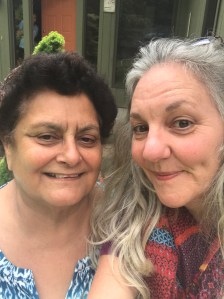
In my first year working with PJ, she made a point of finding out when I celebrated my birthday and each year she would ask me what kind of cake I wanted for the occasion. We invited each other to family outings and special occasions, further solidifying the bonds we’d made in the classroom. Knowing that your co-teacher cares about you is priceless, and this knowledge can pull you through even the most challenging of times.
7. Multiple Teachers, Multiple Perspectives
A common complaint amongst classroom teachers is that our work is often done in a silo without opportunities to collaborate with colleagues. It can get pretty lonely, not to mention stressful, when everything lands on our own shoulders and there is no one available to help bounce around new ideas.
When you have a co-teacher, this problem goes right out the window. Co-teaching guarantees that at least one other perspective will always be part of the mix. The value of this dynamic was amplified for me and PJ because our cultural backgrounds were so different from one another. She was born and raised in Pakistan, and I in the US. We routinely called upon each other to gain insights about culture, language, and pedagogy and we used our collective assets to create a culturally responsive and sustaining classroom for our students.
8. It’s OK to Have Tough Conversations
We started this “Top 10” with the need to get comfortable with being uncomfortable, and this item is connected. The only difference is that I’d like to emphasize this point: a strong relationship with a co-teacher that is based on mutual trust and respect WILL survive tough conversations. And remember that, if we always bring conversations back to what’s best for students, we avoid unnecessary conflict and can maintain professionalism even when we might disagree. In fact, you may just find that your relationship grows stronger when you’ve had to have a difficult but successful conversation with your teaching partner.
9. Communication is Key
Establish communication norms with your co-teacher and stick to them. Discuss early on when it’s the best time to contact them, and the preferred methods for contacting each other. For example, PJ and I rarely called each other after about 5 pm because we were both with our families at that time.
Have a system in place so that lesson plans and materials are accessible to everyone responsible for teaching. When I was working with PJ, we used a 3-ring binder for lesson plans that stayed in the classroom at all times. Materials were organized a week or more in advance in hanging file folders. Today, the use of shared documents and online resources makes it easier than ever to communicate plans and to share materials.
Shared documents and resources are not only a lifesaver when one partner has an unplanned absence. They are also essential for reflection and forward planning. They serve as a record of what’s been taught, how lessons were delivered, and which assessments were used. This information is invaluable for a co-teaching team.
10. Support Your Partner’s Well-Being
Something PJ perceived about me early on is that I like to move. A lot! The more stressful life gets, the more movement I need. Turns out, the same was true for her. So, rather than confine ourselves to the classroom during our planning time, we’d walk and talk our way around the campus a few times before returning to our desks.
At points, colleagues gently teased about how inseparable we were, and some had the mistaken impression that PJ and I were escaping work when they’d see us on our daily walk-abouts. This couldn’t be further from the truth. While casual observers might have seen two ladies walking on a school day, little did they know the depth of our co-teaching conversations around almost any topic you can think of: classroom management, assessment, interventions, accommodations, scaffolding, differentiation, grading, reporting, special events, individual student concerns, and more.
Walking and talking was OUR way of getting some much-needed movement into our teaching day in order to feel healthy and well. Pay attention to what YOUR partner needs to be happy and try to support them in that.
Don’t forget small gestures, too. Leaving a piece of chocolate on your partner’s desk, jotting a short thank-you note, or offering to bring lunch, are small moves that show your co-teacher you’re thinking of them and care about their well-being.
The co-teaching bond has been compared to a marriage. It has also been likened to a business partnership. However you choose to think about it, the fact remains that it is a bond worth establishing and nurturing. It’s great for teachers and it’s great for students. And, if you’re lucky, your co-teacher may just become your lifelong friend.
 ALL in Education
Wonderful memories you shared Alicia and excellent advice for co-teaching, or in fact any educational collaboration. Thanks!
LikeLiked by 1 person
I came across your blog a couple of days ago. We are Connected via the tragedy of PK8303. My parents were on the ill-fated flight. I pray for everyone in my daily prayers. I will inshallah remember PJ by name.
I wish you sabr / patience and strength.
LikeLiked by 1 person
Hello, Adil – Thank you for reaching out and for remembering our dear PJ. My condolences to you and yours on the loss of your parents. Inshallah, may the victims of this tragedy rest in eternal Peace.
LikeLike